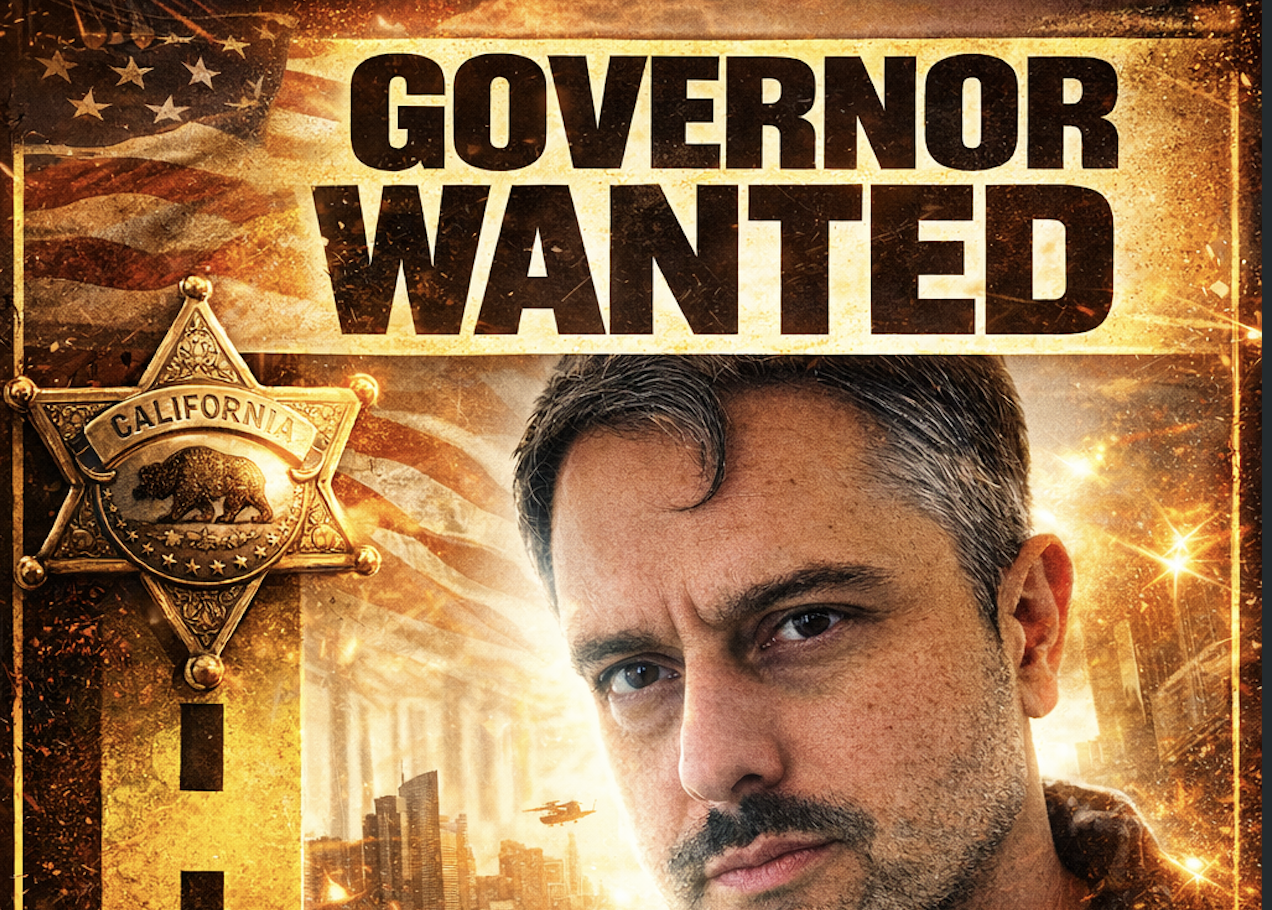
Who is Louis A. De Barraicua?
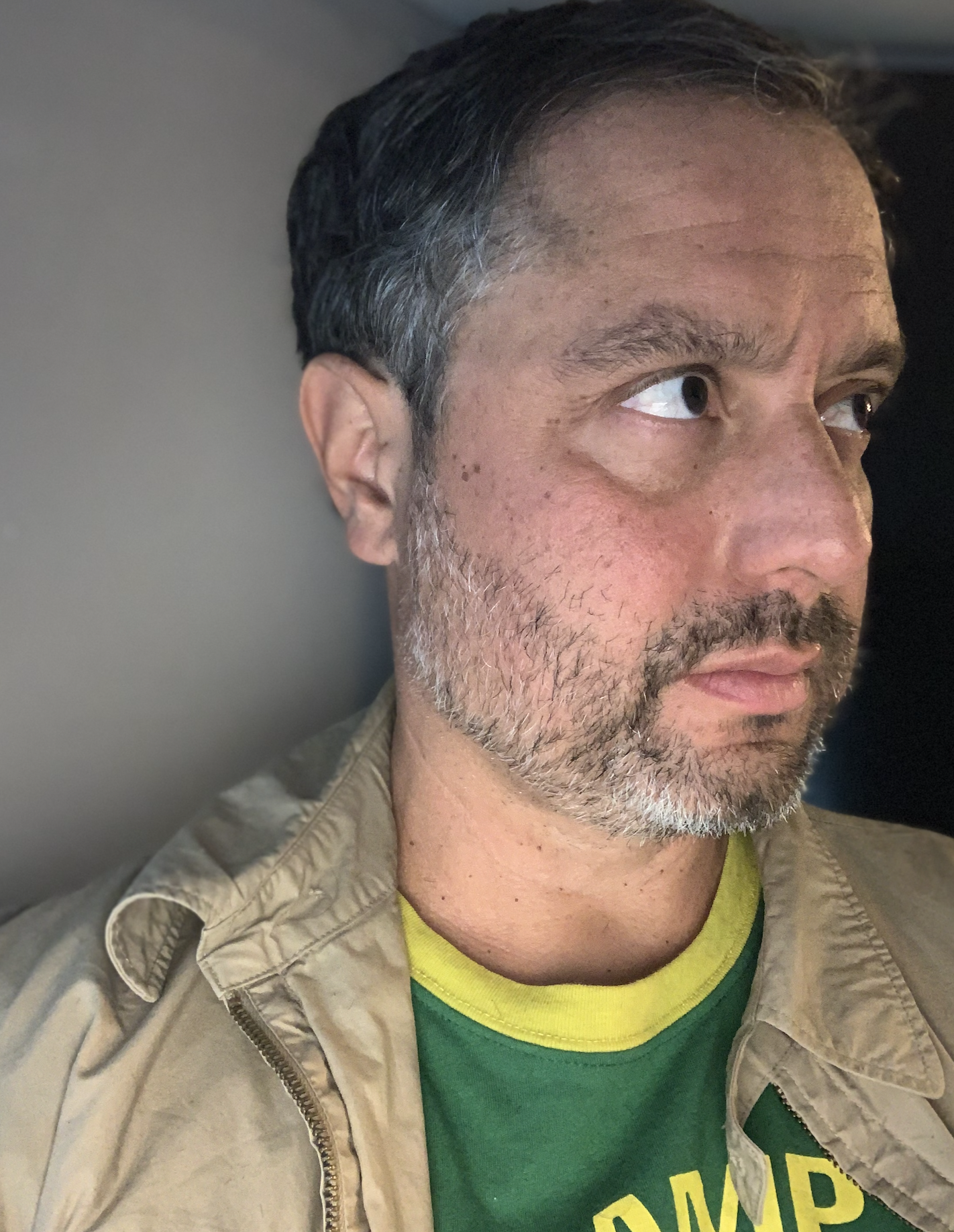
Louis has been trying to figure out how to become a political candidate most of his adult life without knowing it. His journey began in Sacramento in October of 1989 when his family moved from Madrid, Spain.
He had grown up moving frequently as the son of an Air Force father, spending his early years in different parts of the country, as well as in the Panama Canal region in Central America and in Madrid, Spain during his formative teenage years.
He spent his early elementary years in San Antonio and Wichita Falls, Texas, followed by a move to Alabama. In fifth grade, he relocated to Beale Air Force Base in Northern California, where he began to develop roots in California culture. By eighth grade, his father—a native of Madrid—was stationed at Torrejón Air Force Base, where he went on to attend high school.
During his time in Madrid, Louis lived in the high-rise neighborhood of El Pinar de Chamartín. From eighth grade through the first quarter of his senior year, he was part of a close-knit Spanish community called Las Torres—three residential towers (“pisos”) with underground parking, tennis courts, a basketball court, and two pools where neighbors regularly gathered.
Louis and his four siblings immersed themselves in the Spanish lifestyle while also being shuttled to their American community on the nearby Air Force base. He attended Torrejón American High School, living in Madrid while participating in two cultures at once during these formative years.
Five years in Madrid during the mid-1980s deeply shaped Louis’s vision of what society could be. During that time, two of his sisters immersed into the local culture; another sister, was born into it. He lived in an affluent, international community made up of Spaniards, Italians, Brits, Germans, French residents, and even other Americans who attended the private American School of Madrid. Together, they formed a unique mix of cultures, and his family became known as “Los Americanos”.
During his time in Madrid, Louis built strong relationships with several Spanish families and eased into its vibrant culture. He experienced the legendary nightlife and dance club scene at a time in Madrid's history where they had just been liberated of Franco's dictatorship.
Louis played tennis, football, soccer and was the number one wrestler his weight class, an injury would lead to joining the Drama program where he was introduced to Acting and Writing. By his junior year at Torrejón American High School, he had been elected student body president. This early leadership role came with an unexpected lesson. His trigonometry teacher, who also served as the student body advisor, refused to guide him after his election. Without mentorship or a clear plan, Louis quickly found himself overwhelmed. Although he had won by a landslide with a strong campaign speech, the lack of support from his assigned mentor revealed a critical lesson: leadership means preparation. From that first political experience, Louis learned that leadership meant having knowledge about knowing how to lead.
After five years in the "European California", Spain, Louis’s family relocated to Sacramento, where he graduated from Cordova High School in 1990. He attended California State University, Sacramento for a year and briefly explored a path into politics. He met then–Insurance Commissioner Art Torres on a Southwest flight, who invited him to visit his office at the State Capitol. While the meeting was exciting, it also gave Louis a sense how he'd have to adapt in a political environment. He sensed how challenging it would be. Sensing a disconnect, he shifted his focus toward his deep interest in visual storytelling.
Inspired by brochures for the University of Southern California’s film school, left behind by his brother, Louis was accepted to the University of Southern California as a freshman in the Dornsife College of Letters, Arts and Sciences. While not the film school, he integrated a film curriculum that included writing and film analysis classes into his coursework; he came close to completing a minor in the area. Inspired by George Lucas, he pursued storytelling with purpose, and, coincidentally, Lucas would later serve as the commencement speaker at his 1994 graduation.
Louis’s time at USC marked the beginning of a 34-year journey in Los Angeles. Initially, he struggled academically, particularly in the English department, where he felt behind his peers. Courses in Old English literature and literary theory were initially overwhelming, and grading was highly competitive, only a few students received top marks. Through persistence and his interest in creative writing, he steadily improved. By his senior year, he was earning A level grades in writing, and demonstrating a strong ability to interpret narrative structure, symbolism, and meaning.
He would later describe the "literary theory perspective" and the Creative Writing program as the most valuable part of his education. It equipped him with a perspective and gave him the confidence that would shape his understanding and the way he could be influenced; he constructed meaning from his own life with evidence, real events, and symbolism. He graduated in 1994, a year before his floor mates at Pardee Tower, immersing himself into a copywriting internship that gave him exposure to working with some of the most talented copywriters and research teams in advertising; he had learned how to anchor his interest in storytelling to an audience, which made advertising especially effective.
By the time he graduated, his interest in advertising waned. His first job out of USC was working for UCLA's Neuro-Psychiatric Institute as a research assistant for field work studying homeless and under served communities in Hollywood, like run-aways who had left the families whose families had abandoned them after they revealed their sexual preference.
Over time, Louis’s foundation in storytelling began to reconnect with a latent interest in politics. His urgency shifted dramatically after personally witnessing conditions within the Los Angeles Unified School District that had reminded him of a trip he had taken to India. What he observed challenged his understanding of reality; he would often see stark disparities across areas of Los Angeles, particularly in South Los Angeles and the East Valley, which informed him of a "hidden" systemic failure that went largely addressed by the media and the political class. This is how he became aware of the Industrial Age Media machine that reached most of the voting population. No one seemed to be aware of the reality he had witnessed first-hand.
These experiences led him to reflect deeply on power, truth, and the deeper narrative that existed in society. Drawing on his background in literary theory, he began to see society itself as a kind of grand story, one in which people often lack clarity about who is actually shaping the narrative. He questioned how meaning is constructed and whether individuals fully understand the truth about the systems they participate in.
Before working for LAUSD for over 23 years, Louis had been professional trained in long-term product development at Nissan North America, where he became part of a team that developed the Nissan Xterra, Infiniti G35, the Titan Full Size Truck, and the 1990 Nissan 300Z - one of his favorite cars at the time. With this filter, he observed and developed a firsthand insight into what he describes as a vast and deep neglect hidden in Los Angeles underneath a long-standing bureaucracy that had been hijacked by Beverly Hills locals to milk the school of its resources. That deep perception that allowed him to synthesize how it was happening, ultimately influencing his decision to run for Governor of California in 2026.
He came to believe that many people feel pressured to adopt roles that do not reflect their true selves, particularly within larger institutional systems. Thirty-four years later, he re-considered his agreement with the Creator of what it looked like to try his best in an environment where no viable solutions were clearly articulated.
Applying his research background, he immersed himself into a deep study how an intervention could be designed to make reality make more sense. It would take him six years to come up with the concept of the "The Golden Road" - a proposal for the people of California to make a choice through his candidacy in the 2026 Governor Election.